Nutritionist Aysegul Onat offers pointers for eczema sufferers
Eczema is an inflammation of the skin which can be linked to food and environmental allergies, though hay fever or asthma in the family make people more susceptible. Here’s some advice on reducing the itch, including in pregnancy.
What to Avoid
Food allergens can be dairy, gluten, sugar, citrus fruit, banana, tomatoes, eggs, yeast, soya, chocolate, peanuts, cashew nuts, herrings and shellfish. Preservatives, artificial additives and synthetic sweeteners are also definitely best avoided.
Environmental allergens can be detergents, cleansers, soap, shampoos etc, along with wool or synthetic materials against the skin. Cotton is likely to work best.
Caffeine intake raises stress hormones (adrenalin and cortisol) which can cause skin eruptions as well as potentially irritating the gut lining which can lead to food sensitivity.
Liver
In pregnancy hormonal changes can trigger eczema because when the liver gets overloaded it sends toxins to the skin which after the liver is the next major elimination route for the body. So food to support the liver is advisable.
Liver cleansing foods are artichokes, celery, celeriac, radishes, leafy green vegetables, olives, beans, legumes, garlic and onions. These are rich in vitamins, minerals and fibre which help the liver remove material which slows down its performance.
Kidneys
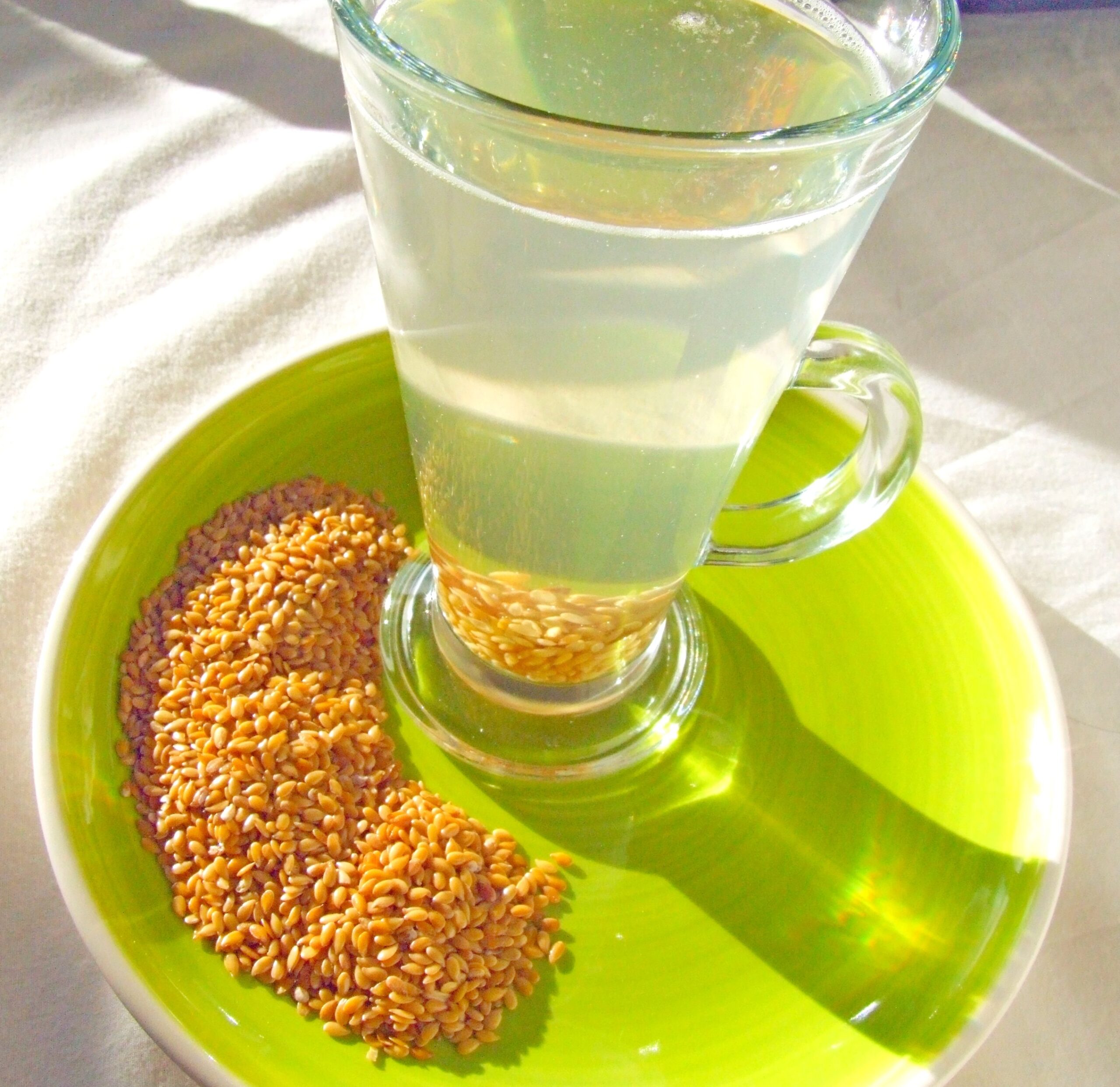
To cleanse kidneys you need to drink enough filtered water that your urine is clear and only slightly yellow, without any odour, but not too much water as that puts a strain on the kidneys and depletes electrolytes. Linseed (see box) is mildly laxative and a tonic for the kidneys which can help hydrate the body, as can foods like soups.
Diet
It is important to make the body more alkaline by eating plenty of fruits and vegetables (avoiding nightshades like potatoes, tomatoes, peppers and aubergine) because too much acidity depletes minerals and electrolytes. Proportions should be 75% vegetables and fruit to 25% meat, fish, and beans.
Fresh fruit and vegetables are also anti-oxidants which reduce skin inflammation, while onions and garlic are rich in cysteine which increases glutathione production. Low levels of glutathione are linked with high inflammation.
Other anti-inflammatory foods are berries, linseeds (flax seeds) olives, pumpkin seeds and fish while quercetin is a bioflavonoid with anti oxidant and anti inflammatory properties and is found in high quantities in apples, red grapes, red onions, broccoli, spinach, cherries, plums and raspberries.
Avoiding grains excepted soaked rice will help reduce the amount of sugar in the body, which helps reduce skin inflammation. You can eat millet, amaranth, tapioca or quinoa with some soaked dry fruit and nuts instead of say oat porridge.
Beans such as mung and aduki beans, lentils, chickpeas etc should all be soaked with a small amount of salt prior to cooking.
Soaked seeds and nuts are recommended including pumpkin (rich in zinc) sunflower, chia, sesame, seeds, and almond, walnuts and pine nuts, these last highest in protein.
Chicken and lamb are less challenging for the body than other meats. And vegetables are best lightly steamed. Raw brassicas in large quantities can suppress thyroid function by blocking the uptake of iodine, and thyroid hormones regulate foetal brain development in pregnancy.
Particularly good are artichokes, celery, celeriac, radishes, squashes, pumpkin, cabbage, broccoli, carrots, avocado, sweet potatoes, green beans, kale, spinach, chard and water cress. Also consider seaweed either sprinkled over food or as an ingredient for stock as it is cooling and detoxifying containing iodine, trace minerals and vitamins and C plus B1, B2, B3, B6 and B12 which have anti inflammatory properties which are helpful for eczema.
It is best to eat by 6/7pm so you can sleep before 10.30 because the liver is active detoxifying the body between 11pm and 3am.
Fermented products are of course good, including tempeh, miso, tamari sauce and sauerkraut with is a great source of fibre and contains vitamins B6, C and K, manganese, and folate.
Oily fish like wild salmon, sardines, mackerel and anchovies are good too but, as with seaweed, need to come from clean waters because of mercury toxicity in the sea.
Drinks
Warm water or linseed tea 30minutes before meals prepares the body for the food. Rooibos caffeine free tea is rich in antioxidants while white tea is the least processed and has the highest antioxidant levels. And you can make almond milk by blending 1 part soaked almonds to 5 parts of water for a heat stable alternative to milk high in fibre, vitamin E, magnesium and antioxidants.
Cooking Fats
Transfatty acids like margarine and hydrogenated vegetable oils should be avoided and instead coconut oil or butter ghee used for cooking. For light cooking use unrefined sesame oil or butter, with cold pressed virgin olive or other plant oils added after cooking.
Salt
Sea or rock salt contains many more trace minerals than manufactured table salt and recommended are Himalayan rock salt or Celtic sea salt.
Skin Treatments
Exposure to sunlight for vitamin D is very helpful.
Soaking your feet in 3-4 tablespoons of Epsom salt in a warm footbath for 15-20 minutes before bed draws material from the feet and encourages further elimination through the night, helping the body’s acid/alkaline balance.
For direct application to the skin try raw honey (from independent beekeepers so not full of glucose like the big name brands) or raw potato which cools and reduces inflammation. Raw potato juice can be used to wash or clean your face. And coconut oil can help the skin heal.
……………………………………………………………………………………………….
Linseed Tea
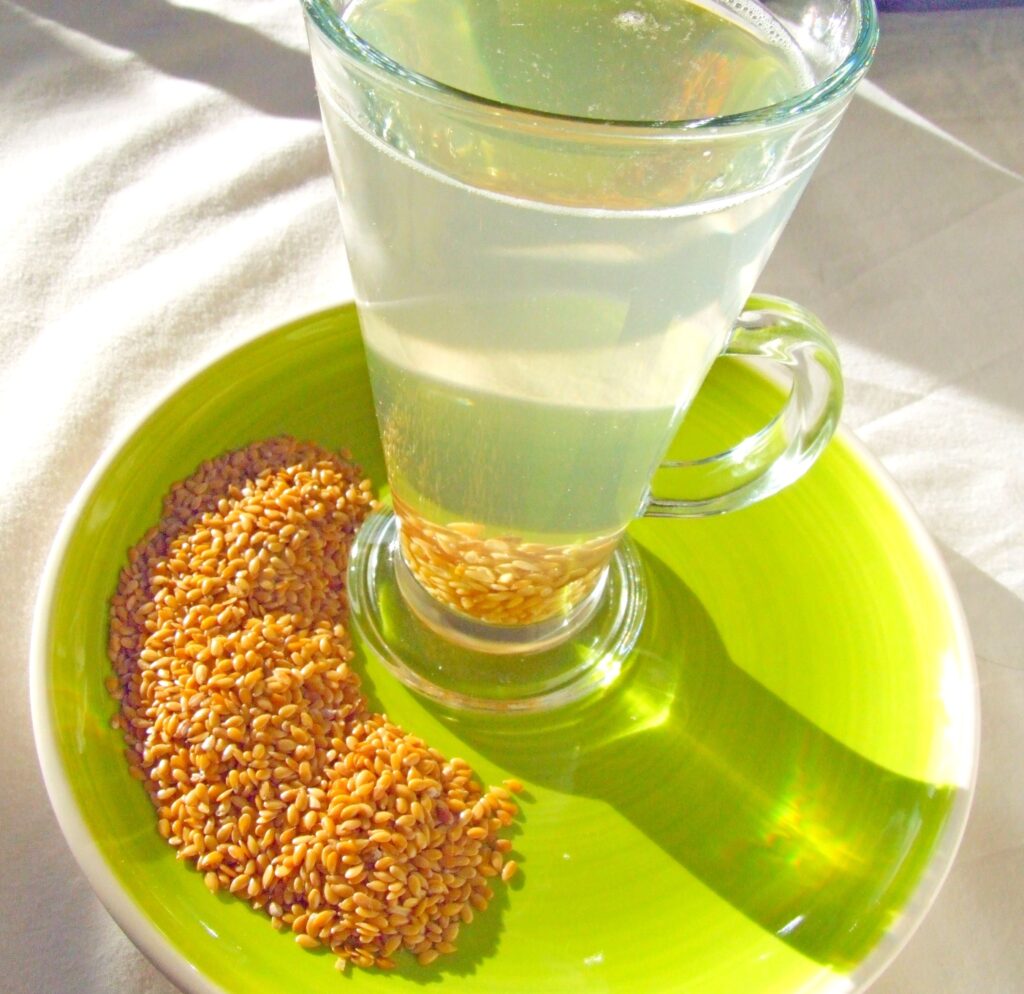
This helps with hydration, which in turn reduces a sense of stress. You can drink up to a pint a day in addition to anything else, ideally one glass before meals, and just before bed it can help with constipation, though too much can cause diarrhoea.
Put 2 tablespoons of linseeds in 1 litre of cold water in a large pan. Bring to the boil (this happens fast) then switch off, cover and leave to stand for 8-12 hours before bringing back to the boil and simmering for 1 hour, adding more boiling water to thin down. When done, store in the fridge for up to three days, and drink warm by adding boiling water.
……………………………………………………………………………………………….
Aysegul Onat is a Practitioner of Natural Nutrition and can be contacted at aysegulonat@yahoo.co.uk.