Kate Calvert recommends a super flexible dish
Roasting vegetables is a great way of getting a meal on the table with minimal fuss and lots of flavour. Roasting intensifies that flavour and the result can be served on its own, or if you have hungry people, perhaps with some good bread, rice, beans, baked potato etc.
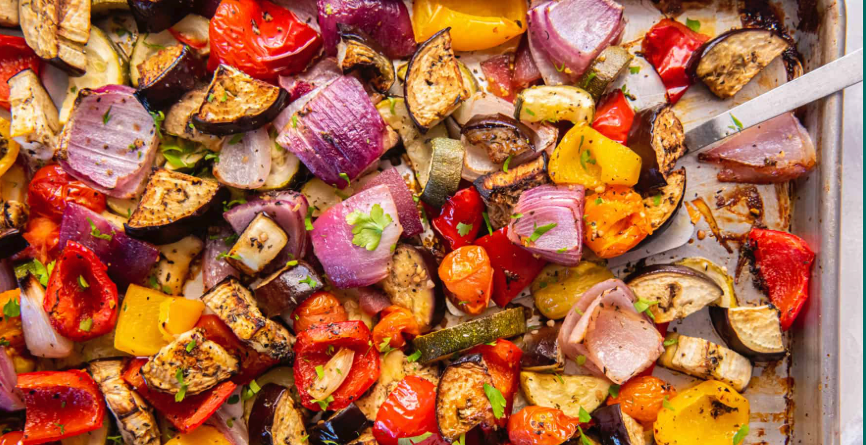
An alternative is to fork the roasted veg through couscous or other grains to create a cooked salad – using the outline recipes below you should have enough juices not to need additional dressing.
Obviously roasted veg make a good side dish, served at room temperature when the weather is warm, but other options include, when the ingredients are really cooked down and melting, to use the vegetables as a sauce, for example with pasta. And of course with the addition of some stock or milk, any leftovers make a great soup.
General Principles
In the cooking the veg shrink a bit so it’s worth preparing more than you think you need.
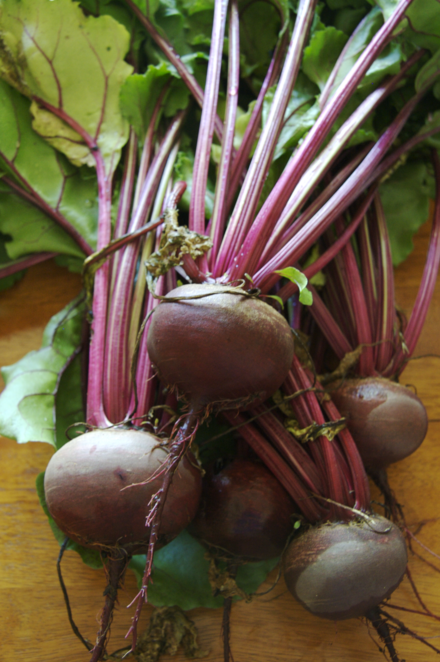
This is an opportunity to use up more or less any veg, either singly or in combinations, though if combining, generally seasonal veg work better together, and I’ve always been wary of adding beetroot to anything else so would cook that separately.
Cooking temperature is usually around 200C for approximately an hour, depending how small you cut the veg. But don’t go too small – you want them to be identifiable. And for wetter veg, eg peppers, you may need a little longer, or even slightly hotter oven.
If combining different ingredients, cook the harder veg first, adding softer ones later. Or if you’re really unsure of yourself, start roasting them separately and then combine for 10 minutes at the end.
Dress the veg with fat – oil, leftover bacon fat, leftover chicken fat from a roast (the original schmaltz I discovered recently) – the choice is yours unless you have a vegetarian to cater to. Butter is possible, but more given to burning if the oven is too hot.
Place in a large, tray and stir occasionally. Some cooks say every 10 minutes but that seems excessive. However, a couple of times will help everything get nice and caramelised.
As long as you have some moisture – a tin of tomatoes/a jar of tomato passata, stock, wine, diluted orange juice, depending on preference and availability – this should all end up nice and soft, and potentially caramelised round the edges.
Mixed Roast Ideas
Courgettes, tomato and fennel
eg 1.5kg or a couple of tins of tomatoes, 2 fennel bulbs, one large onion, a head of garlic and up to 8 courgettes.
Cut the onion into smallish wedges and the tomatoes, fennel and courgettes into bite-size pieces and place in a single layer in a roasting tin, stirring through as much as 8 tbsp of olive oil and the leaves of up to six rosemary sprigs, adding salt and pepper to taste and tucking in the head of garlic.
Cook for about an hour, basting occasionally.
Remove from the oven and break the garlic head into cloves before squeezing each and stirring the toasted veg.
Carrots, parsnips, and Jerusalem artichokes
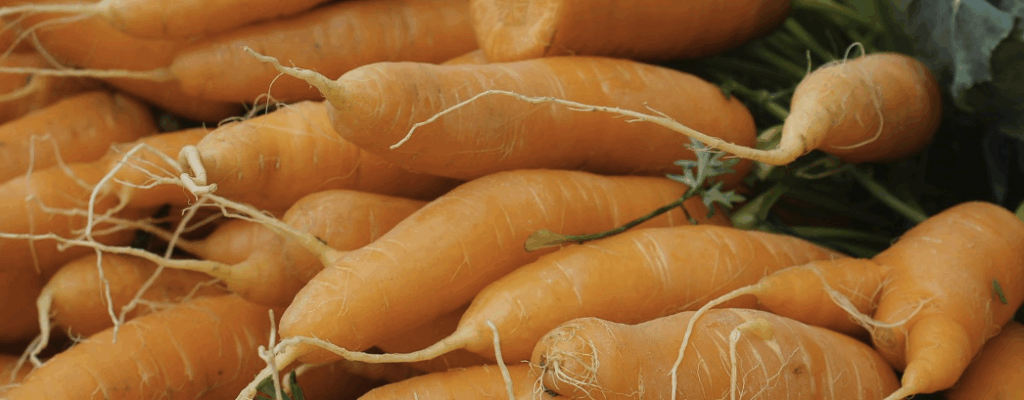
up to a kilo in total, in either slices or bite sized pieces, tosses with 4tbsp oil and salt, roasted at 200C for around 40 minutes, turning occasionally, before adding spices and cooking for a further eight to ten minutes. ½tsp each of coriander, cumin, nigella and black mustard seeds would be good, but use what you have and like. Yoghurt would go well with the spices but if you don’t like spice use a herb, eg dried oregano. You can also include potatoes but they would need to be cut relatively small.
Jerusalem artichokes and mushrooms
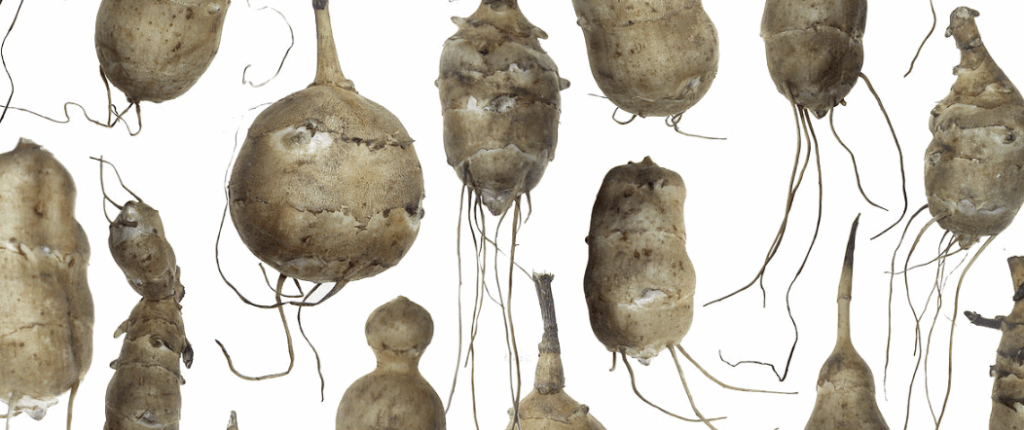
Clean and slice the artichokes and combine with mushrooms, garlic, and thyme along with a little white wine and butter and place in a container with a lid before baking for about 30 mins in a hot oven (ie, above 200C). You can serve with a drizzle of oil over.
Peppers, courgettes, tomatoes and aubergine
Together with onion, garlic and southern herbs – oregano, rosemary etc, salt pepper and olive oil this makes more or less a ratatouille but one you leave to cook itself.
Leeks and peas A remarkably successful combination, especially with some sliced onion and white wine. For meat eaters add a chicken thigh a head.
Single Veg Roasts
Brussels Sprouts: This was a tip from an acupuncturist trying to persuade me to eat more healithy. To my surprise she was quite right when she said that you often end up nibbling them from the pan – just the sprouts rolled in oil and soy sauce and left to roast. They go slightly brown at leaf tips and are bizarrely, delicious. (You can do something similar with cabbage cut into chunks, perhaps using melted butter rather than oil.)
Parsnips: Peel and chop into whatever shape you like and mix with a little melted butter and perhaps mustard, plus maple syrup if you like things sweet.
Carrots: Mix with ground cumin, olive oil, salt and pepper and if you have them serve with toasted chopped nuts.
Squash: Roast in chunks in a little olive oil. When almost cooked, remove from the oven and toss in a mixture of finely chopped garlic and red chilli. Rosemary also works. Return to the oven for another 10 minutes before serving.
Turnips or/and swede: These are good cooked as they would have been traditionally in the beef or even lamb dripping from a roast. If using your own post roast material, add the gravy too. The turnips and swedes benefit from plenty of pepper but depending what they have been roasting in, check for salt before adding.
Celeriac: Slices or sticks of celeriac are good cooked in olive oil and butter or even cream potentially with some garlic. When ready to eat you can also add toasted walnuts, diced apple, and chopped parsley.
Cauliflower: Roast florets tossed in olive oil in a hot oven (over 200C) for about 30 minutes so they have brown crispy bits on the outside. Turmeric sprinkled over makes them yellow but you could also add say cumin for the last five minutes, or to be fair pretty much any ready combined spice mixture you have in the house.