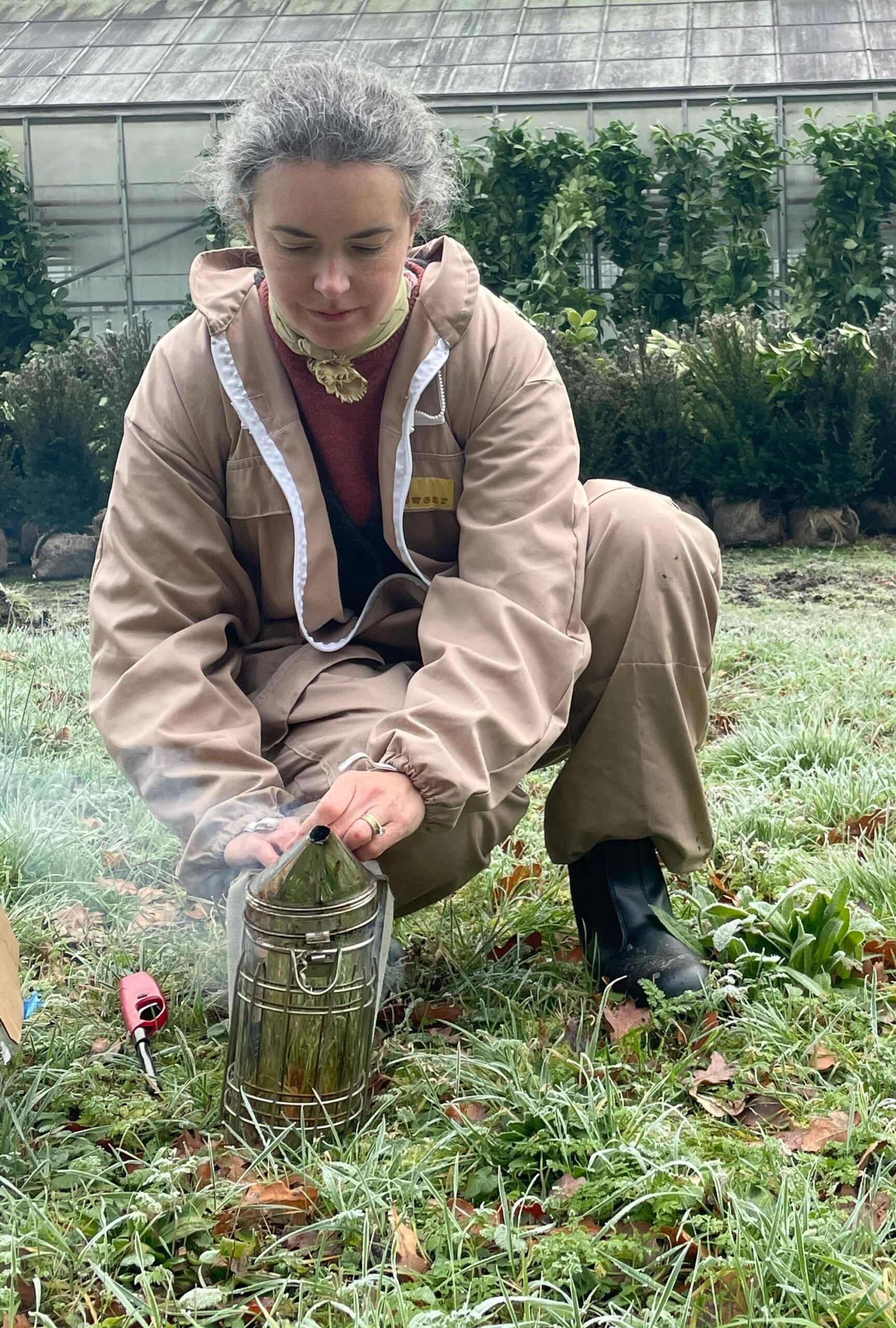
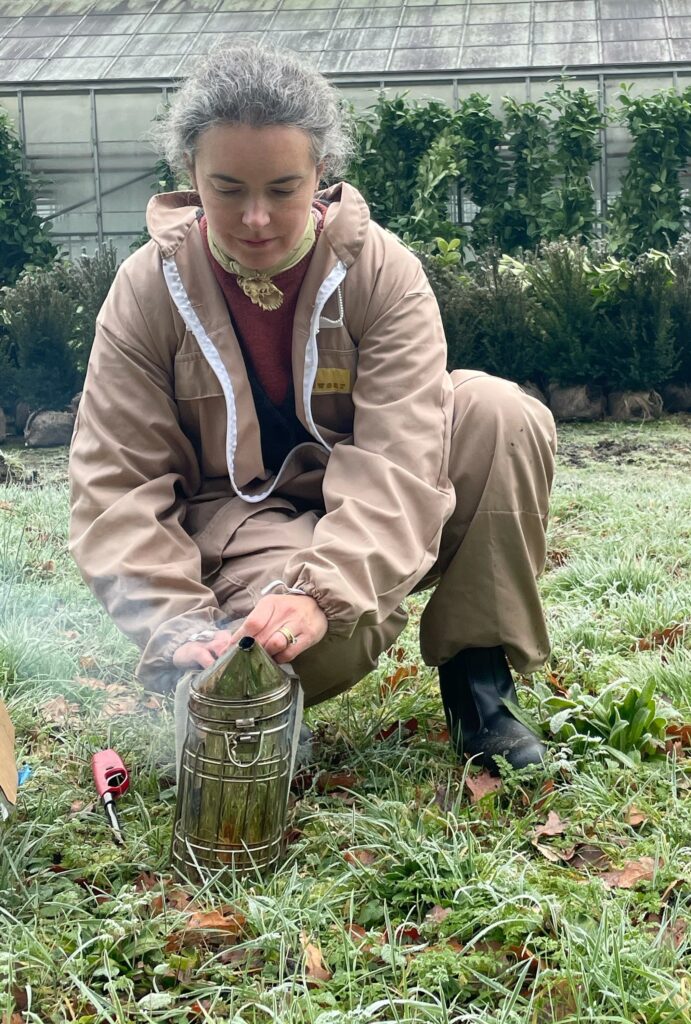
Kateryna Davydova interviews Helen Rogers, a Highgate beekeeper and honey sommelier
Are you busiest in summer?
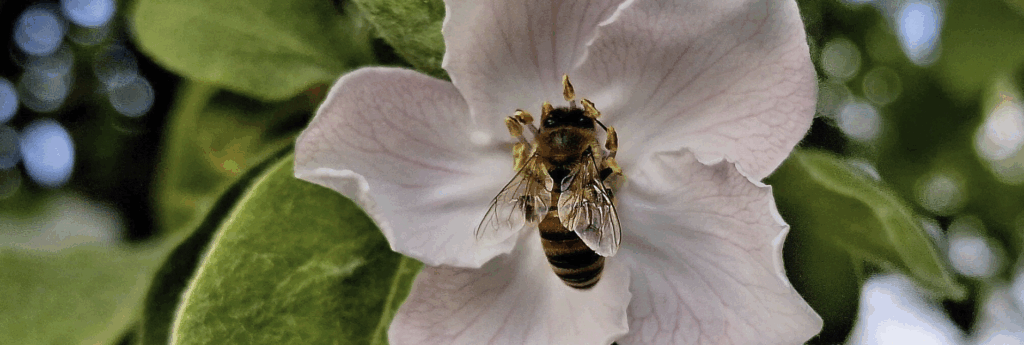
Yes, I look after 50 hives from Wembley in the west to Epping Forest to the east. I visit each hive once a week, trying to leave them alone as much as possible but checking the bees are healthy and have plenty of space and food.
Like with children?
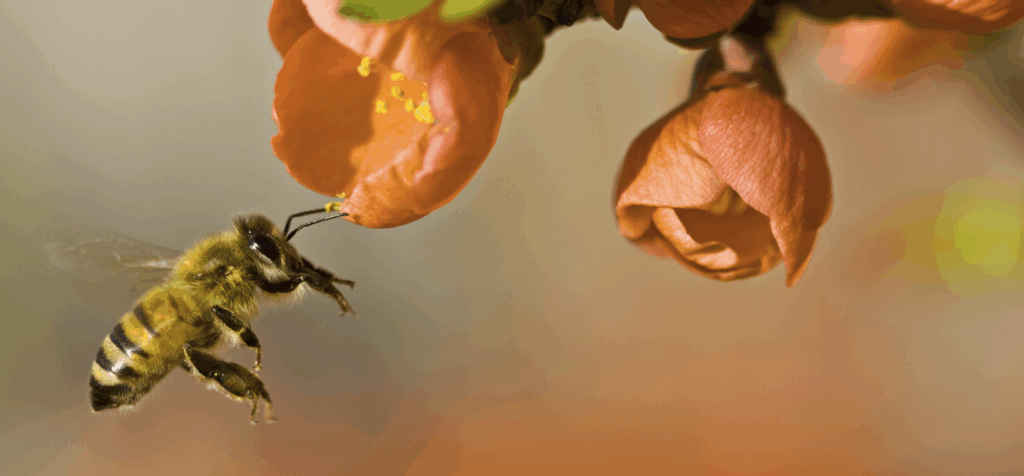
Exactly! But keeping bees in the city is different from the countryside: they can be disruptive, leaving people terrified as they don’t expect them to be here. People in London have little connection with nature. I go into schools to talk to children, explain about bees and what they’re doing: visiting flowers, making amazing honey, pollinating and producing all the fruit for us. It’s nice to see children really excited, and hopefully they go home and explain this to their parents.
Are children better nature ambassadors?
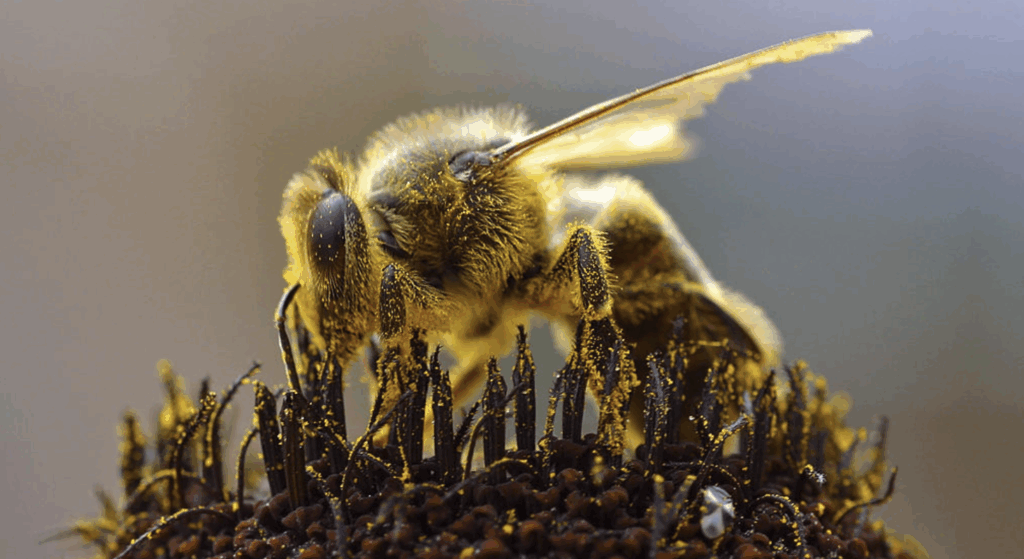
They just have more time for understanding the simple relationship: bee plus flower makes fruit and honey. Many adults have forgotten the connection or maybe never knew it, thinking all insects are terrifying and should be destroyed immediately.
I had a man ring me up the other day. Bumblebees had moved into the bird box in his garden. And he said, come and remove them. I said to him, you’re so lucky to have them, it’s a real gift. I explained about their lifecycle, how they’re not usually aggressive, how they’ll pollinate his garden. By the end of our 30-minute conversation he seemed quite happy to have these bumblebees.
What are the other misconceptions about bees and honey?
I run honey tasting workshops to showcase UK honeys and people sometimes get emotional when they try real honey and realise they’ve been buying complete rubbish for years. UK honey culture is only developing. People understand different types of cheese, wine and coffee, but they don’t know honey in the same way.
With a couple of people I trained with in Italy we’ve set up the Honey Guild of the United Kingdom to raise the profile of British honey. We took a stand at the National Honey Show and had a selection of 12 different monofloral honeys from the UK and people were blown away. But the judging of honey in this country is different from the rest of Europe; it’s much more about hygiene and presentation, not the taste.
What is a good honey?
I’ve just spent two days judging for the London International Honey Awards with hundreds of different types of honey from all over the world presented blind. You always look to see it’s clean. Then you smell it, then you taste it. Sometimes you’re looking to see whether this is a good example of, say, a lime honey. Is it the right colour? Is it the right flavour? But sometimes it’s just down to, is this a delicious honey that I really love? My tastes have definitely evolved as I’ve learnt more about honey, but it’s important to rely on your taste.
What’s the most exotic honey you’ve ever tried?
It was cactus honey from Mexico, quite spicy, like a chilli, which is interesting since it hadn’t had anything added to it.
What are some special London flowers bees might prefer?
People say London honey is amongst the most complex because there’s such a variety of forage. I trained as a honey sommelier in Italy, and one of the honeys we were introduced to was tree of heaven honey, indeed heavenly to eat, a beautiful, tropical, peachy flavour, full in the mouth – absolutely delicious.
A few years ago I was extracting honey at home and suddenly got the smell of that peachy honey and thought, that’s tree of heaven, it couldn’t be anything else. But I’ve never seen those trees in London, so I went on a bit of a mission to try and find them. It turns out that there’s a load in Archway.
There’s an avenue of lime trees up the middle of Waterlow Park – there are a lot of limes in London – my main crop in June. They produce a glorious honey – pale with a slight tint of green when it’s pure lime, slightly minty.
There’s a huge willow tree in Waterlow Park and bees forage on that in early spring and spring grass is covered in crocuses which is a great source of pollen which the bees use to feed their young – full of protein.
If you go to the Heath in May the hawthorn is spectacular – it looks like the whole place is ready for a wedding. And dandelion honey is one of my favourites. Dandelions are an amazing source of pollen and nectar for bees.
You collaborated with your mother on the book 80 Flowers for Bees. How was it?
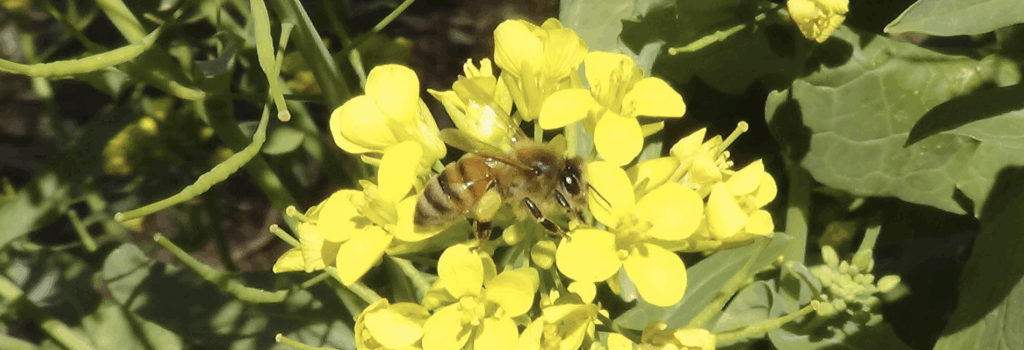
My mother and father live in rural Oxfordshire where I grew up. She is a horticulturalist who made a beautiful orchard, rose garden and pond out of a field of just grass. So she knows how to grow things, and I know which bees like which flowers.
Do you label your honey monofloral and hyperlocal?
Sometimes it’s a monofloral like with lime, but usually polyfloral, so you get that wonderful depth later.
Every jar of honey I produce has a label with the London postcode and hive number it came from. I create a lot of work for myself, but people love it when I label it Hampsted or Highgate or Finchley honey.
Some people buy it because they believe it helps with hay fever and allergies, the theory being that because local honey has local pollen in it, if you start taking it before the flowers come out, then your body gets used to it. I get people who come back year after year who buy 10 jars in one go, saying it is their medicine. I make no claims, but if it works, it’s fantastic.
How far can your bees fly?
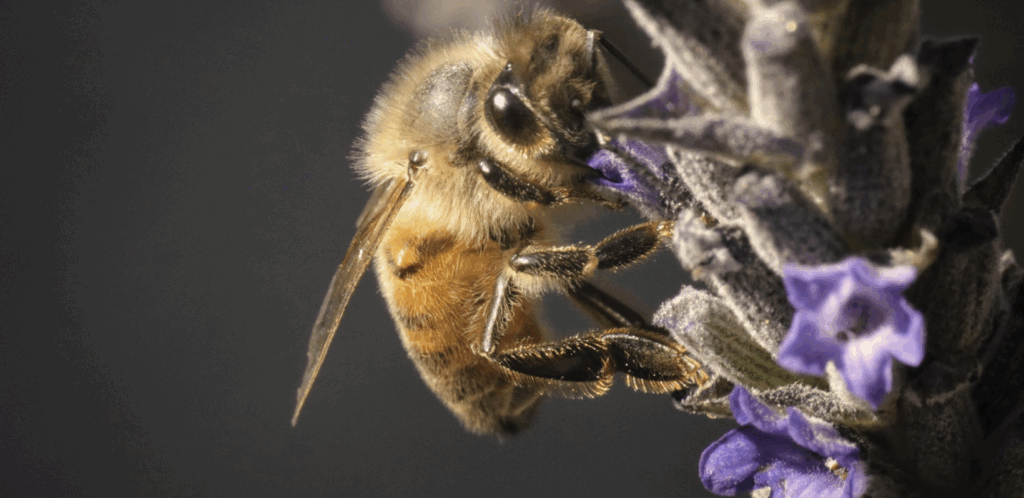
Up to about four miles, and they always come home. They know exactly where they hive is, so if you move it two metres to one side, they’ll be confused because they will arrive where it used to be. So when people say, could you just move the hive a bit, it doesn’t work. Bees are so tiny, and yet they’ve got the most incredible navigation system.
What can people learn from bees?
Oh, so much. A colony of bees is the most organised thing I can think of. They all work together for the good of the whole. Nobody’s important, but they all pitch in together. The queen bee’s job is to lay eggs but she makes no decisions. All decisions are made collaboratively. There’s no ego in a beehive, and they’ll do anything to protect their colonies. And they’re very efficient – they don’t waste energy.
Helen Rogers’ site is https://highgatehoney.com/ where you can buy honey, book tastings and read the blog. The Honey Guild of the UK is at https://honeyguild.co.uk. The National Honey Show https://honeyshow.co.uk takes place annually in the autumn. The London International Honey Awards are listed at www.londonhoneyawards.com (the 2025 UK winner is a buckwheat honey). 80 Flowers for Bees by Helen and Eva Rogers is a 56-page paperback available from Helen’s web site.